


October 29, 2026
Agency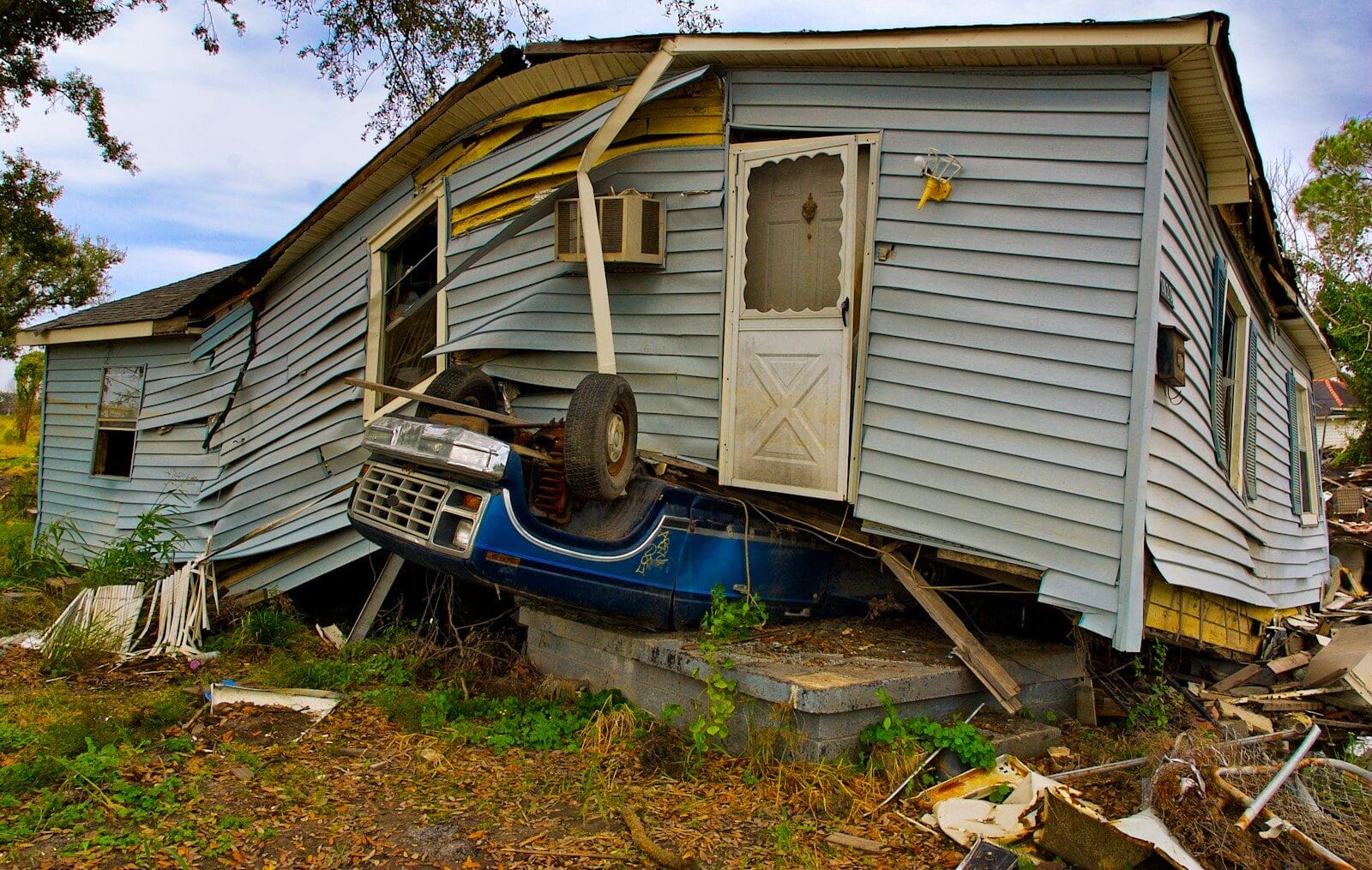
Hurricane Season Prep: What Your Insurance Covers (and What It Doesn’t) in South Louisiana
Hurricane season brings familiar anxiety for homeowners along the Gulf Coast and nearby coastal regions. High winds, heavy rain and storm surge can strike in the same event, but your home insurance may not treat them the same way.
What Standard Homeowners Insurance Generally Covers
Standard homeowners insurance can sometimes cover wind damage, but it may be excluded in coastal or high-risk areas. Flood damage is excluded and requires a separate flood insurance policy, often through the National Flood Insurance Program (NFIP) or a private insurer. A typical homeowners policy offers coverage across several areas:
- Dwelling coverage—May help cover structural damage to your home
- Other structures coverage—May help cover detached garages, fences and similar property
- Personal property coverage—May help cover belongings damaged by a covered peril
- Loss of use coverage—May help pay for temporary living costs if your home becomes uninhabitable
The Coverage Gaps to Know
Storm surge and rising water count as flood losses, not wind losses, so standard policies exclude them. Sewer backup from heavy rain is also usually excluded unless you add an endorsement. In Louisiana, many policies carry a separate deductible for hurricanes or named storms, which can lead to higher out-of-pocket costs since this figure is based on a percentage of your dwelling limit rather than a flat dollar amount. Under Louisiana law, that deductible applies only once per calendar year, even if more than one storm hits in the same season.
Getting the Right Coverage Before a Storm
Reviewing your policy before a storm, rather than after, gives you time to add endorsements or adjust limits. Contact Take It Easy Insurance or head to our instant insurance quote page to review your current homeowners coverage before the season begins. We serve homeowners in Lafayette, LA.
This blog is intended for informational and educational use only. It is not exhaustive and should not be construed as legal advice. Please contact your insurance professional for further information.